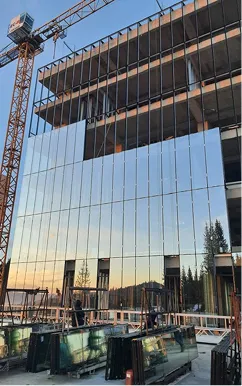
Selecting the right insulated glass unit (IGU) for a curtain wall or large-scale glazing project directly affects a building’s energy performance, thermal comfort, and long-term maintenance costs. In projects located in Brașov, where seasonal temperature swings are significant, the choice between double and triple glazing goes beyond budget — it depends on the building’s function, façade orientation, and structural requirements.
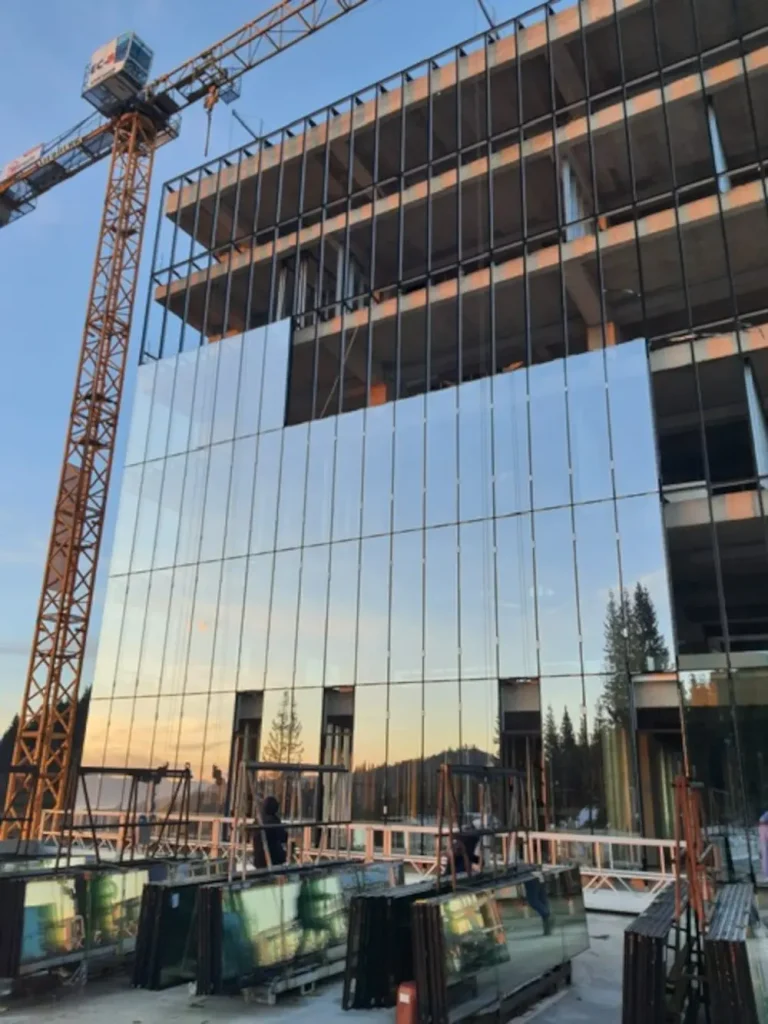
Decision criteria for facade contractors and architects:
- Facade orientation – south- and west-facing façades benefit from configurations with better solar control; north-facing façades can often work with a standard package.
- Building usage – offices and commercial spaces with high occupancy justify higher thermal performance to reduce HVAC costs.
- Structural load on the frame – the added weight of a triple-glazed unit requires verifying the load-bearing capacity of the façade system (structural SSG or semi-structural aluminum).
- Lifecycle cost-benefit ratio – triple glazing carries a higher initial cost but reduces thermal load and, consequently, the building’s operational costs.
For building managers and general contractors working on projects with energy-efficiency requirements (certification, thermal regulations), triple glazing often becomes the reference solution. For homeowners renovating an individual property, double glazing remains sufficient in most cases, except in areas with high thermal exposure.

TDC Glass processes insulated glass units in accordance with EN 1279-1-6, on its own IGU assembly line, with configuration options adapted to both structural façades and residential glazing.
From Technical Specification to Installation: A Complete TDC Glass Solution
For facade contractors, architects, and general contractors, TDC Glass offers an integrated workflow from specification to delivery: based on the project’s technical specification document (dimensions, required thermal performance, frame type, structural requirements), the technical team prepares the quote and the optimal IGU configuration. The glass is fully processed in-house — cutting, thermal treatment, IGU assembly — precisely according to the specifications in the project documentation, with delivery made directly to the construction site within the agreed timeframe. This workflow reduces the risk of mismatches between what is designed and what is actually installed, and simplifies coordination for execution teams working under tight deadlines.
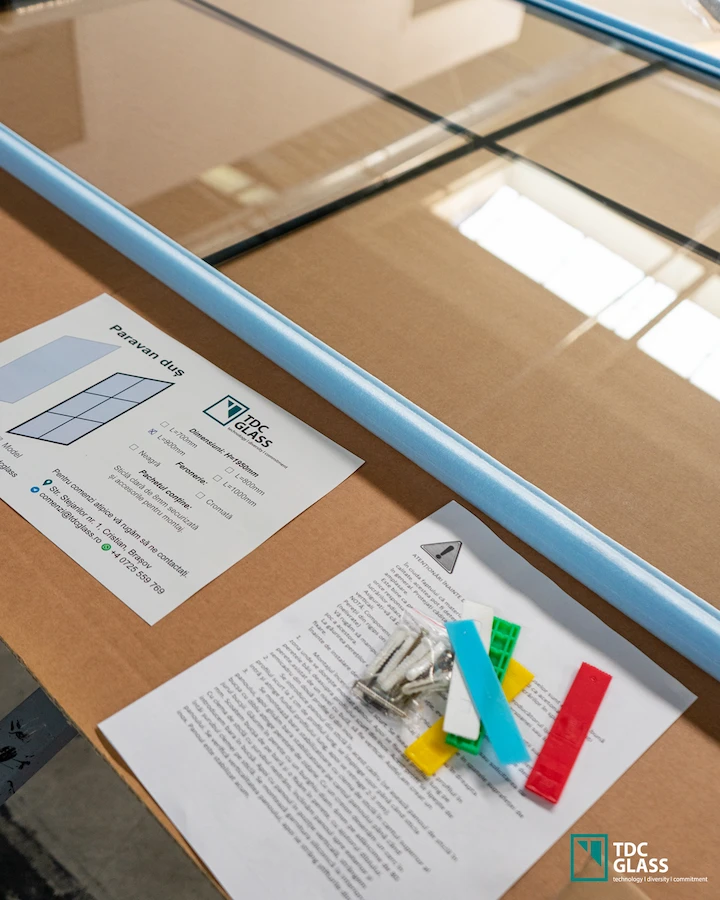
For homeowners managing individual renovations, the same principle applies on a smaller scale: based on the dimensions and requirements provided, TDC Glass processes and delivers the appropriate insulated glass unit for the project.
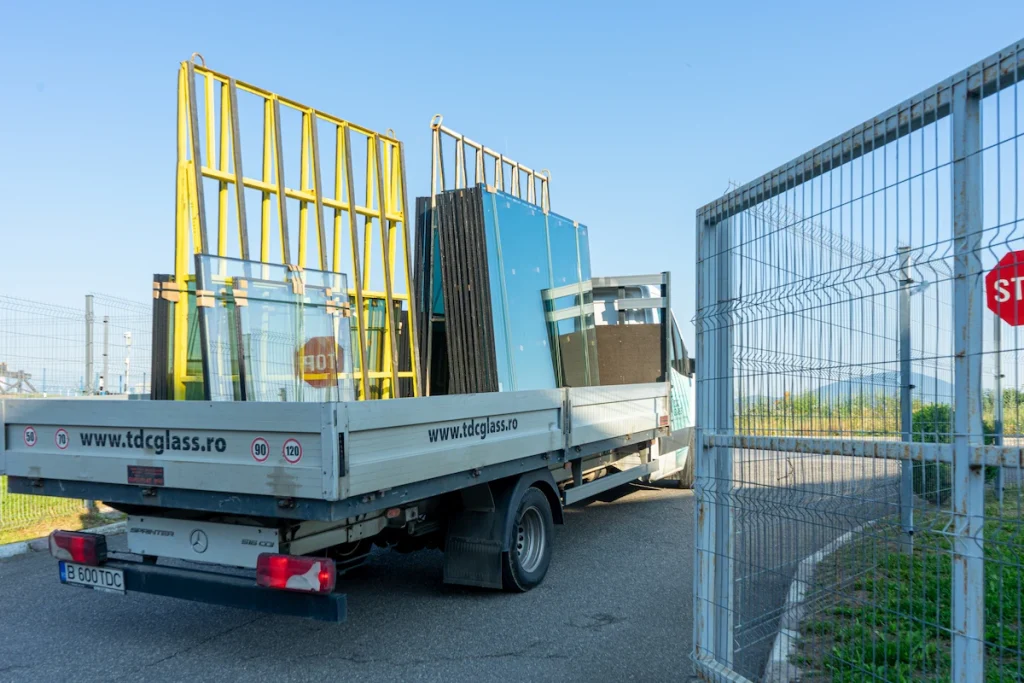
For complete technical details on the production line, visit the Insulated Glass Units (IGU) page, and for facade solutions tailored to your project, see Glass Facades and the Structural SSG Facades subpage.
Have a technical specification document for a curtain wall project? Send your specifications to the TDC Glass technical team for a quote and the optimal IGU configuration.
Frequently Asked Questions
What is the total thickness difference between a double- and triple-glazed unit?
A standard double-glazed unit typically has a 4-16-4 mm or 6-16-6 mm configuration, while a triple-glazed unit reaches 4-12-4-12-4 mm or similar variants, resulting in greater overall thickness.
What type of insulating gas is used in TDC Glass units?
90% argon fill, in accordance with EN 1279, for both double- and triple-glazed configurations.
Does triple glazing require a different façade frame?
Yes, the additional weight requires verifying the load-bearing capacity of the frame system; we recommend reviewing the frame specifications together with the technical team.
What type of secondary sealant is used?
Polyurethane for residential applications and structural silicone for architectural applications/curtain walls.
Is triple glazing mandatory for new commercial buildings?
It is not universally mandatory, but it is frequently recommended to meet energy-efficiency requirements in high-occupancy buildings.
How long does processing a custom insulated glass unit take?
Lead times vary depending on size and complexity; for exact estimates, the TDC Glass team provides project-based consultation.